


What to do When You receive a Notice of Default in Florida: Steps to Avoid Florida Foreclosure
- Sep 22, 2015
- 3 min read
What to do When You receive a Notice of Default in Florida: Steps to Avoid Florida Foreclosure
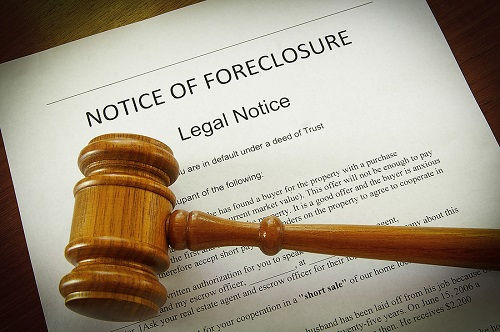
A notice of default in Florida is a public notice that is filed by a lender which essentially converts your foreclosure into a public record. This notice is meant to inform the home owner that the mortgage is in default. The notice of default serves to notify the Florida homeowner that if the defaulted mortgage payments are not paid within a given amount of time, the lender will seize the home. In the state of Florida the lender is required to provide the homeowner with at least 30 days to find a solution before any collection action is taken. Florida is a judicial foreclosure state, which means that the lender files foreclosure in the state court system, which is why the homeowner received the notice of default. In a non-judicial foreclosure state a third party trustee would seize and sell the home without any aid from the court system or public action.
The first thing that you should do after you receive a notice of default is to protect yourself by becoming informed. Your rights as a homeowner are usually spelled out in paragraph 21 or 22 of your mortgage. Read them over so that you know exactly what you are dealing with. The right of the homeowner that is most commonly ignored by the lender is often to ‘clearly state the action required by the homeowner to cure the default’. As the homeowner you might attempt to make your payment before the allotted 30 days is up only to discover that there were late fees and other charges that were owed to get your home out of foreclosure. This is why the notice of default letter from your lender often instructs you to “call for an exact figure”. Do this right away to get the best idea of what your next move should be.
If your creditor moves quickly after default, and you are unable to pay what is owed within two or three months they can legally begin to garnish your wages, empty your bank account (bank levy), or put a lien on your Florida property. The last option is especially bad, because the title of the property becomes unclear. This makes it very difficult for the homeowner to sell the property without completely paying off the lien, since most buyers won’t purchase a property with an unclear title. If you wait too long to resolve the notice of default with your creditor these actions will inevitably be taken against you. There are a couple of options to protect you from these Florida foreclosure roadblocks.
You can file for bankruptcy. If you cannot make the payments necessary to get out of default, filing for bankruptcy will legally protect you from wage garnishment and a bank levy being taken against you. However, it will not stop the lien from being put on your Florida home. Another option is trying to settle. If you have some money saved up, or can get a loan somewhere you can try to make an offer to settle with your creditor before they take any further action against you. If you do not want to file for bankruptcy, and do not have a way to settle with the creditor then selling your house quickly to a cash buyer is an excellent option. If you can find a buyer for your Florida home within 30 days then no action will be taken against you, and your mortgage debts can be payed off free and clear.
If there is a lien on your Florida property, and the proceeds from selling it will not be enough to cover the debt which you owe then a short sale is a great option to explore. In a short sale, the lien holder agrees to release their lien on your Florida home and accepts an offer from a cash buyer that is less than what is owed on the debt. In some cases the deficiency will still be owed, and in some it will not. It all depends on the terms worked out between yourself, the investor buying the property, and the lender. The short sale process is a commonly used alternative to foreclosure in Florida because it minimizes costs and stress for both the homeowner and the creditor. Of all the options available to Florida homeowners who receive notices of default, settling with your lender immediately or finding a cash buyer who will close on your home quickly are the surest steps to take in order to protect yourself from bankruptcy, liens, wage garnishment, bank levy, and damaged credit ratings.
If you or anyone you know has received a notice of default then contact our team of real estate experts today to learn more about how we can help you stop foreclosure on your home.


Comments